Saturday, December 6, 2025

China’s Nvidia Surges 500%: How Moore Threads Is Rewriting the AI Chip War
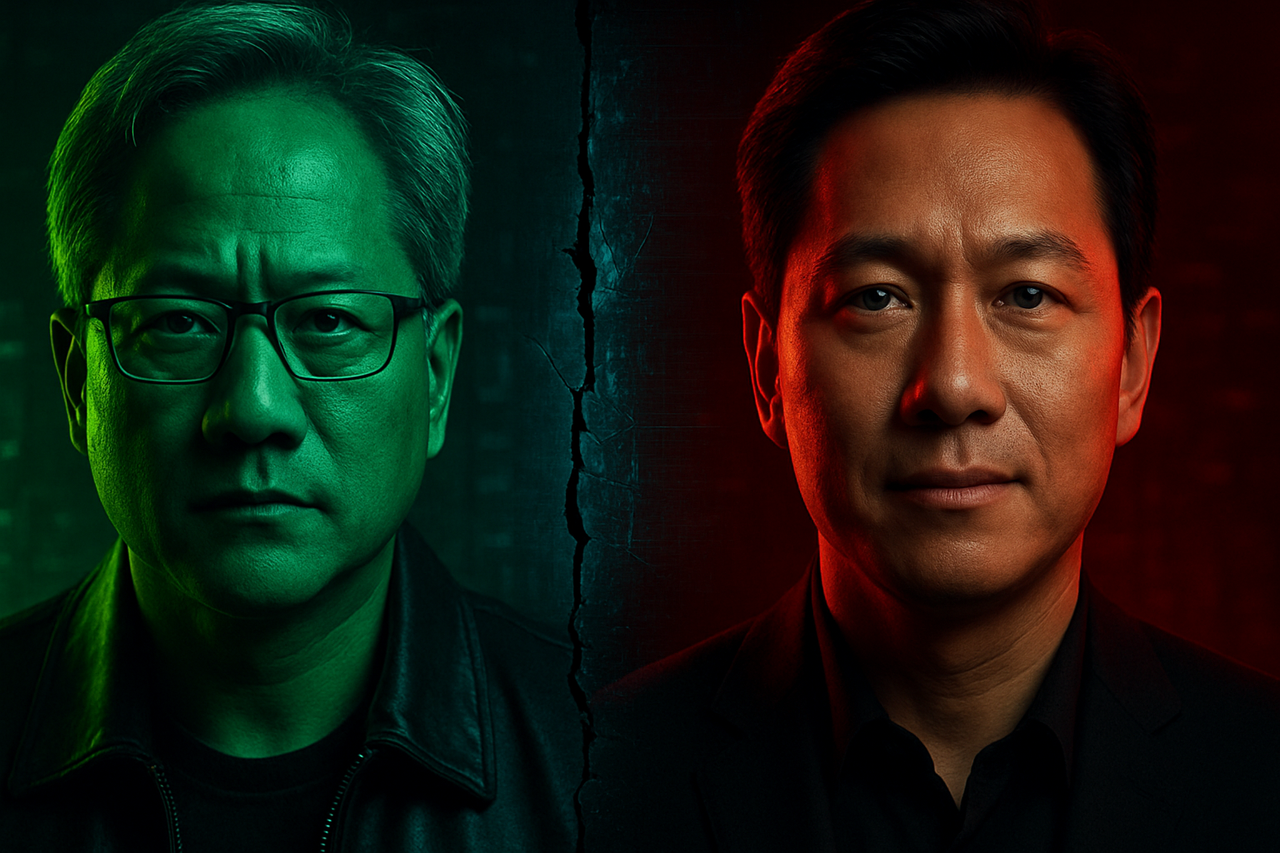
China’s Nvidia Surges 500%: How Moore Threads Is Rewriting the AI Chip War

Moore Threads China GPU AI Chip Rally
Moore Threads explodes 500% in its IPO debut as China searches for an Nvidia of its own.

China’s semiconductor ambitions just got their biggest win yet. Moore Threads — often called “China’s Nvidia” — shocked global markets after its stock exploded 500%+ on IPO day, instantly making it one of the hottest tech listings of the year.

This sudden rally signals something far bigger than investor hype: China is building an independent GPU ecosystem outside U.S. control.

Why This Matters

The U.S. export bans that blocked Nvidia from selling high-end AI chips to China created a massive vacuum. Moore Threads is now stepping into that vacuum — fast.

“If China cannot buy Nvidia, China will try to become Nvidia.”

The IPO frenzy shows strong domestic support for home-grown chip innovators, especially in AI and data-center acceleration.

About Moore Threads

Founded in 2020 by ex-Nvidia engineers, the company focuses on GPUs for AI, gaming, cloud rendering, and autonomous systems. Their national mission is clear: Break reliance on U.S. semiconductor giants.

Key IPO Stats

  • Stock code: 688795
  • IPO surge: 500%+
  • Sector: AI GPUs & Semiconductor
  • Founded: 2020
  • Core mission: Build China’s Nvidia alternative

Why Investors Are Betting Big

Local investors are pouring money into “strategic tech independence” — companies that strengthen China’s position in AI and chip manufacturing.

Moore Threads fits perfectly into this national agenda.

Why the Surge Is Structural, Not Hype

Analysts say this is not a meme pump or speculative bubble.

The demand for domestic GPUs in China is bigger than supply — and policy is pushing it forward.

However, the real test for Moore Threads will not be IPO day, but whether the company can:

  • Prove hardware performance
  • Win enterprise and cloud customers
  • Scale production without relying on banned U.S. tech

Quick Take

This rally is a structural shift — not just a stock movement. Valuations will now depend on hardware breakthroughs and real revenues beyond the IPO excitement.

The Bigger Picture

If Moore Threads continues scaling, China may finally have its first true Nvidia challenger — reshaping the global AI battlefield.
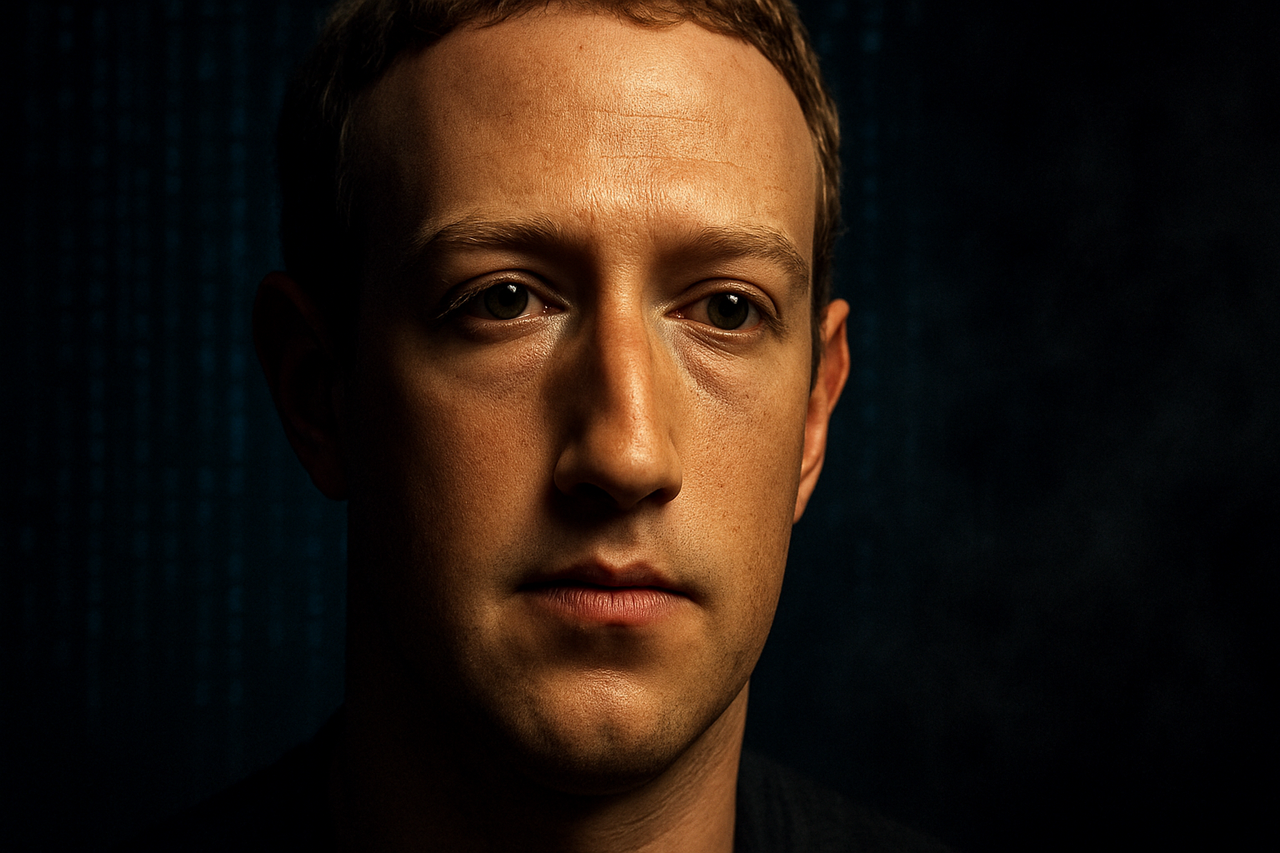
Meta’s $70 Billion Metaverse Crash: Zuckerberg Finally Admits 'It’s Not Working

Meta’s $70 Billion Metaverse Crash: Zuckerberg Finally Admits “It’s Not Working”

Meta’s $70 Billion Metaverse Meltdown: Zuckerberg Finally Says “It’s Not Working”

Silicon Valley — After four years of historic spending, collapsing user adoption, and repeated investor warnings, Mark Zuckerberg has finally admitted the truth about the Metaverse: “It’s not working.”

Mark Zuckerberg Metaverse Failure

📉 The $70 Billion Reality Check

Meta’s Reality Labs division has now accumulated $70B in losses — one of the most expensive product failures in tech history. In Q3 2025 alone, the division reported a staggering $4.4 billion loss, mainly from VR hardware, software development, and virtual real estate investments.

“Zuckerberg didn’t just bet big. He bet the entire company — and lost.” — Tech Market Analyst, JP Securities

🚨 Why the Metaverse Failed

  • High headset cost ($499–$999)
  • Low daily active users
  • Awkward social interactions
  • Lack of real-world utility
  • Businesses abandoned early pilots

🔄 Meta’s New Strategy: AI or Nothing

Meta is now shifting into what Zuckerberg calls its “Superintelligence Roadmap” — a full corporate pivot into AI systems, smart glasses, and multimodal assistants designed to rival OpenAI, Anthropic, and Google DeepMind.

Major pivot: Reality Labs budget cut by 30% → AI and smart glasses budget increased by 40%.

📈 Why Investors Are Celebrating

Meta stock climbed 4% immediately following the announcement. Wall Street believes this pivot may save the company from continuing to burn billions on an unpopular vision.

📅 Timeline: 4 Years of Metaverse Failure

  • 2021 — “Meta” name announced
  • 2022 — Horizon Worlds launches to low engagement
  • 2023 — Developers abandon VR projects
  • 2024 — AI assistants outperform VR adoption
  • 2025 — Losses pass $70B → Pivot begins

🧭 What Happens Next?

Meta will now focus on:

  • AI-powered Ray-Ban smart glasses
  • Multimodal assistants
  • AI avatars
  • AI content creation tools
  • Hyper-personalized advertising systems

Conclusion

The Metaverse wasn’t just a failed product — it was a failed era. Meta’s pivot to AI is not optional; it is survival. And for Zuckerberg, admitting defeat is the clearest sign yet that Silicon Valley has officially moved on from VR hype to the new trillion-dollar race: global AI dominance.

© 2025 Elite Hustle Vault Central — All Rights Reserved.

OpenAI o3 Outlook 2026