Exclusive: This article is part of our AI Security & Privacy Knowledge Hub , the central vault for elite analysis on AI security risks and data breaches.
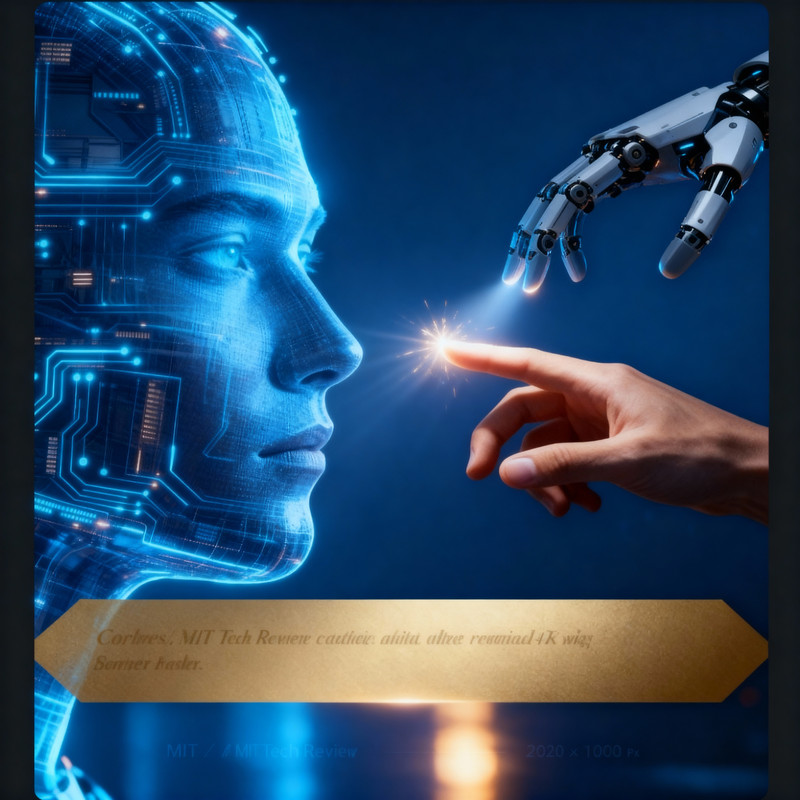
The Impact of AI on the Future of Work
By ROYALRDGpower · Updated Oct 2025 · 8–10 min read
Labels: Future of Work, AI, Digital Transformation, HR Trends, Leadership
Introduction
The world is no longer waiting for the future — it’s unfolding at the speed of code. Artificial Intelligence has moved from buzzword to backbone, quietly restructuring how industries operate, how leaders lead, and how people build careers. This transformation isn’t about machines replacing people; it’s about people evolving alongside the machines they’ve created.
How AI Is Transforming Work Today
1) Automation: The Silent Shift
AI accelerates routine work across sectors — from finance and logistics to creative production. Routine tasks decline while demand rises for interpretation, coordination, and creative problem-solving. The task is not to “save jobs” but to upgrade roles.
2) AI as the New Teammate
Treat AI as a capable colleague: triaging customer queries, summarizing meetings, forecasting risks, and augmenting decisions. Humans keep the context, ethics, and empathy; AI carries the repetition.
3) The Data Revolution
Every interaction produces data. Organizations that collect, govern, and interpret it responsibly win. New roles — data analysts, prompt engineers, AI ethicists — bridge raw machine logic and real outcomes.
The Skills That Will Define the Future Workforce
Degrees prove what you knew. Adaptability proves what you’ll become. Eight pillars matter most:
- Digital literacy — understand tools, data flows, and automation basics.
- Critical thinking — frame questions, test assumptions, synthesize insight.
- Creativity & innovation — design, storytelling, experimentation.
- Emotional intelligence — empathy, conflict navigation, trust-building.
- Adaptability & agility — pivot between tools, roles, and contexts.
- Cross-cultural collaboration — work fluently across time zones and norms.
- Data awareness — read metrics, question bias, act on evidence.
- Lifelong learning mindset — treat learning as a lifestyle.
Building the Hybrid Workforce: Leadership Strategies for an AI-Driven Era
1) From Control to Empowerment
Shift from supervision to enablement. Use AI to surface insights, not to micromanage. Autonomy + alignment beats oversight.
2) Ethical & Transparent Decisions
Adopt clear policies for data use, model bias testing, and explainability. Ethics is not a blocker; it’s a brand moat.
3) Redefining Collaboration
Standardize collaboration stacks (docs, whiteboards, chat, async video). Make inclusion the default: every voice, device, and timezone considered.
4) Leading Continuous Learning
Build a learning ecosystem: micro-courses, internal academies, AI-assisted practice, and pathways from role to role.
5) Emotional Leadership
Protect meaning, belonging, and wellbeing. Burnout is invisible in hybrid teams — leaders must look for it deliberately.
The Challenges Ahead
- Displacement risk: reskill programs must precede automation, not follow it.
- Bias & privacy: audit models and minimize sensitive data.
- Inequality: invest in access — devices, bandwidth, and training.
- Compliance: align with labor, IP, and emerging AI regulations.
Conclusion & Next Steps
AI won’t steal your job — but someone using AI might. The winners will be those who combine human strengths — curiosity, compassion, conscience — with intelligent systems. Start small: pick one workflow to automate, one team ritual to improve, and one learning path to begin this week.
Connect with ROYALRDGpower
Collaborate, share insights, or stay updated on AI transformation and digital leadership initiatives.
FAQ
What is the impact of AI on the future of work?
AI automates routine tasks, augments decisions, and creates new roles focused on analysis, design, and human interaction.
Which skills matter most?
Critical thinking, creativity, emotional intelligence, digital literacy, and a lifelong learning mindset.
How should leaders prepare?
Adopt ethical AI policies, invest in reskilling, standardize collaboration tools, and empower teams with autonomy.


No comments:
Post a Comment